Data-Rich, Diagnosis-Poor: Why the Most Health-Obsessed Americans Are Still Flying Blind
There is a particular kind of person who knows their resting heart rate to the decimal, logs every meal before the first bite, and has optimized their sleep schedule around a wearable device's recovery score. This person is, by most cultural definitions, deeply invested in their health. They are also, in a clinically meaningful sense, frequently uninformed about it.
This is not a contradiction. It is a paradox — one that is quietly affecting some of the most health-conscious individuals in the country.
The Illusion of Informed Health
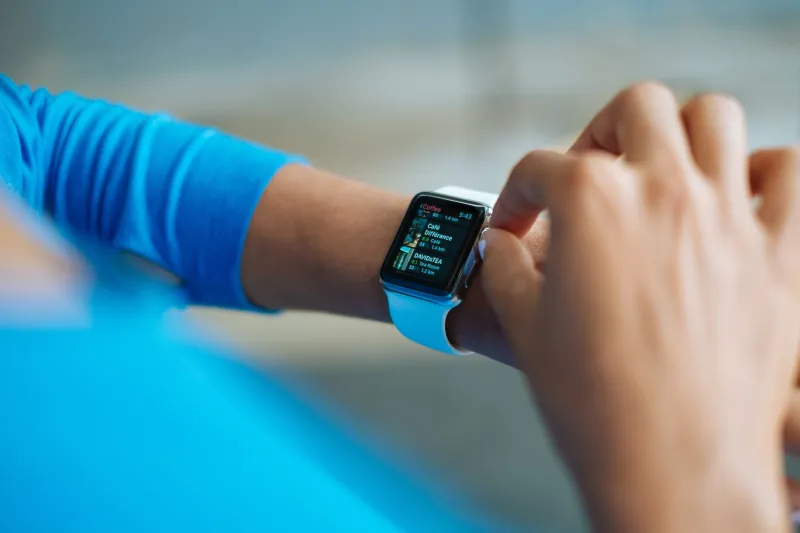
Personal health technology has advanced at a remarkable pace. Smartwatches now monitor heart rhythm, estimate blood oxygen levels, and flag irregular patterns that might once have gone unnoticed for years. Nutrition apps can calculate the micronutrient composition of a home-cooked meal with reasonable accuracy. Continuous glucose monitors, once reserved for diabetic patients, are increasingly worn by wellness enthusiasts seeking metabolic insight.
None of this is without value. Awareness of physical activity levels, sleep quality, and dietary patterns genuinely contributes to better lifestyle choices. The problem arises when the volume of data collected begins to function as a psychological substitute for clinical evaluation — when the act of tracking becomes confused with the act of screening.
These are not the same thing. Not even close.
What Personal Devices Cannot See
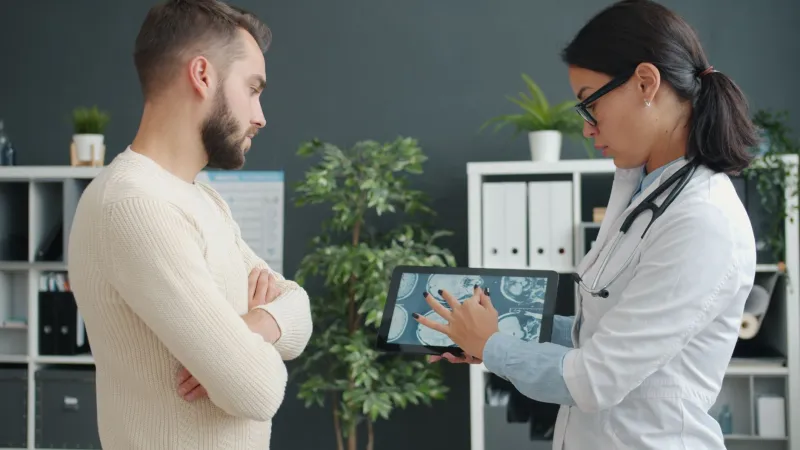
Consider what formal medical screenings are designed to detect: colorectal polyps developing silently in the lower gastrointestinal tract, early-stage prostate abnormalities, precancerous cervical changes, arterial plaque accumulation preceding a cardiac event, or pancreatic irregularities that produce no symptoms for years. No fitness tracker, however sophisticated, has any visibility into these processes.
The conditions most likely to kill Americans — cardiovascular disease, cancer, type 2 diabetes in its early phases, chronic kidney disease — are precisely the conditions that develop without generating the kind of surface-level signals that wearable sensors measure. A device on your wrist is monitoring your body's outputs. Clinical screening examines the underlying structures and biochemical processes that determine whether those outputs will remain stable.
A person with a normal resting heart rate and excellent sleep metrics can simultaneously be harboring a colorectal tumor. A runner logging fifty miles per week can have lipid panel results that place them at significant cardiovascular risk. The data stream from personal devices does not contradict these realities. It simply has no access to them.
The Psychology of False Security
Researchers studying health behavior have identified a well-documented phenomenon sometimes referred to as the licensing effect — the tendency for positive actions in one domain to reduce motivation for related actions in another. Applied to health monitoring, the pattern looks like this: the more comprehensively a person tracks their personal metrics, the more medically protected they feel, regardless of whether that protection is real.
This is compounded by the nature of the data itself. Fitness and wellness applications are designed to be motivating. They surface positive trends, celebrate milestones, and present health as something measurable through daily effort. Clinical screening, by contrast, exists specifically to find problems — and finding problems requires confronting the possibility that they exist. For individuals who have invested significantly in their personal health identity, the prospect of a screening result that contradicts that identity carries psychological weight that a low step count simply does not.
The result is a population of health-engaged Americans who are, paradoxically, among the most resistant to the formal medical evaluations most likely to benefit them.
Engagement Without Coverage
The United States Preventive Services Task Force (USPSTF) publishes evidence-based recommendations for clinical screenings across age groups and risk categories. These recommendations — covering screenings for colorectal cancer, hypertension, lipid disorders, lung cancer in high-risk individuals, diabetes, and several other conditions — are grounded in decades of outcome data demonstrating that early detection materially improves survival rates and treatment efficacy.
Adherence to these recommendations remains inconsistent across the American population, but the gap is particularly striking among individuals who self-identify as health-conscious. Survey data consistently shows that engagement with wellness technology does not correlate with higher rates of clinical screening compliance. In some analyses, it correlates with lower rates — suggesting that the perceived comprehensiveness of personal monitoring may actively displace formal preventive care.
This is the screening paradox in its clearest form: the people most motivated to protect their health are, in some measurable ways, least likely to take the clinical steps that would actually do so.
What Smart Prevention Actually Requires
Genuine preventive health strategy operates on two tracks simultaneously. The first track — lifestyle monitoring, physical activity, nutrition, sleep — is where personal technology has real and legitimate utility. Consistent engagement with these factors reduces baseline risk across multiple disease categories and supports the kind of metabolic stability that clinical screenings are designed to assess.
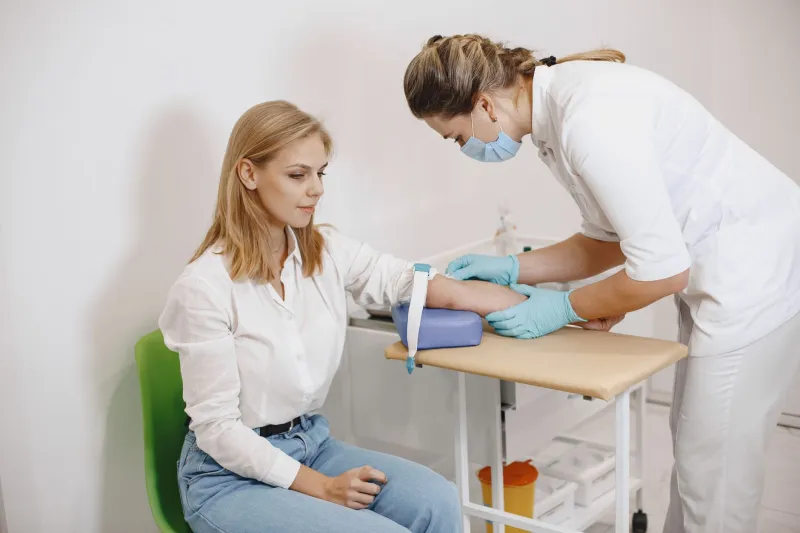
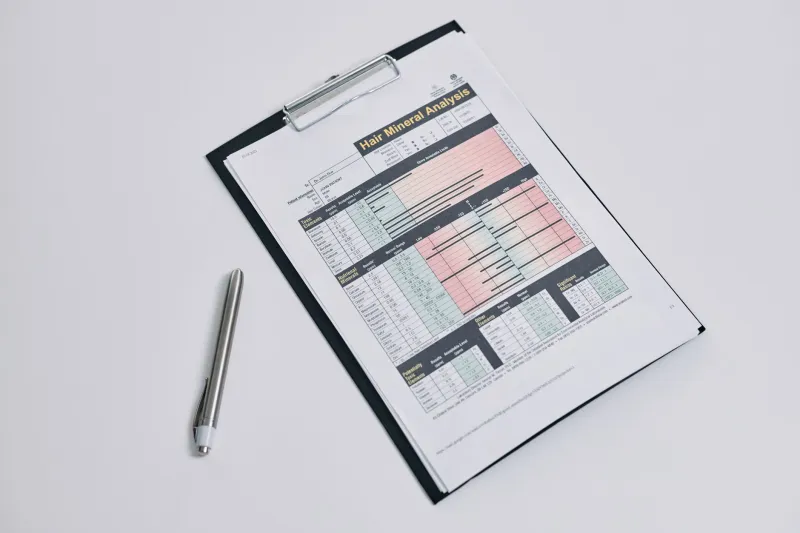
The second track — periodic clinical evaluation through laboratory testing, imaging, and specialist assessments — addresses what lifestyle monitoring cannot. These screenings establish biological baselines, identify risk factors that precede symptoms by years or decades, and detect structural or biochemical changes that no amount of self-quantification will reveal.
Neither track substitutes for the other. A comprehensive health strategy requires both, coordinated around age-appropriate screening schedules and individual risk profiles.
Knowing the Difference Between Data and Diagnosis
For anyone who has invested meaningfully in personal health monitoring, the most productive reframe may be this: your wearable device and your nutrition app are tools for optimizing a body whose underlying condition you do not yet fully know. Clinical screening is how you find out what you are actually working with.
The most sophisticated fitness tracker in the world cannot tell you whether you have a developing colon polyp, an emerging lipid abnormality, or an early-stage condition that, caught now, is eminently treatable. A structured screening evaluation — matched to your age, sex, family history, and risk factors — can.
At SmartMedic Testing, we work with individuals who are ready to move beyond data collection and toward genuine clinical clarity. Knowing your numbers is a starting point. Knowing your health requires something more.
If your last formal screening was more than a year ago — or if you have never established a clinical baseline — the most informed decision you can make today is to schedule one. Your tracker can wait. Your health cannot.